01

Quantum Computing & Qiskit
Start with the essentials of quantum information, circuits and Qiskit, then put the ideas to work.
A two-weekend journey through quantum computing, quantum technologies and the people building what comes next.


The 3rd Qiskit Fall Fest at IIT Jodhpur brings together students, researchers, educators and industry voices for a hands-on introduction to the quantum ecosystem.
Across lectures, tutorials, expert sessions and an end-of-fest hackathon, the program moves from fundamentals to real applications. No mysticism required. Just physics, computation and a suspicious number of matrices.

From first principles to industry perspectives, each session opens a different door into the quantum stack.
Start with the essentials of quantum information, circuits and Qiskit, then put the ideas to work.

Understand the emerging Indian quantum ecosystem, its research directions and opportunities.

An expert view of cryptography designed for a world where quantum attacks are a practical concern.

See how quantum processors work alongside classical supercomputers, and the software that connects them in hybrid workflows.
See how quantum circuits can learn from data, and where quantum models may complement classical machine learning.
Explore how quantum algorithms approach problems in finance, from portfolio optimisation to risk analysis.

Hear from practitioners working across the rapidly evolving quantum technology landscape.

Finish by building. Solve a challenge, write quantum code and turn curiosity into something executable.
The event is designed as a progression. You do not need to arrive knowing quantum mechanics. Humanity has survived worse prerequisites.
Quantum information, computing and Qiskit fundamentals.
India's quantum ecosystem, security, HPC and applications.
Researchers, experts and industry voices in conversation.
Challenges and the final hackathon turn ideas into code.

Both weekends are locked in. Speaker profiles and talk abstracts will be added as they are confirmed.
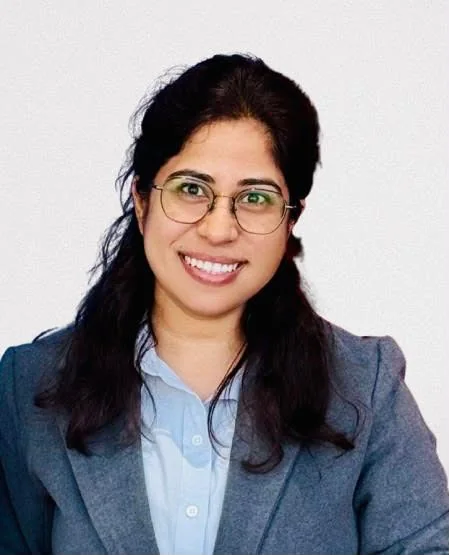
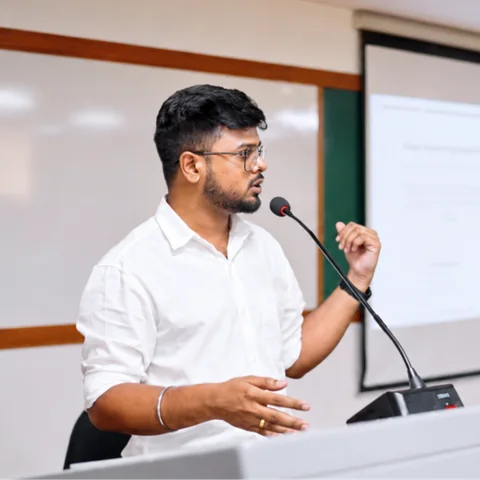
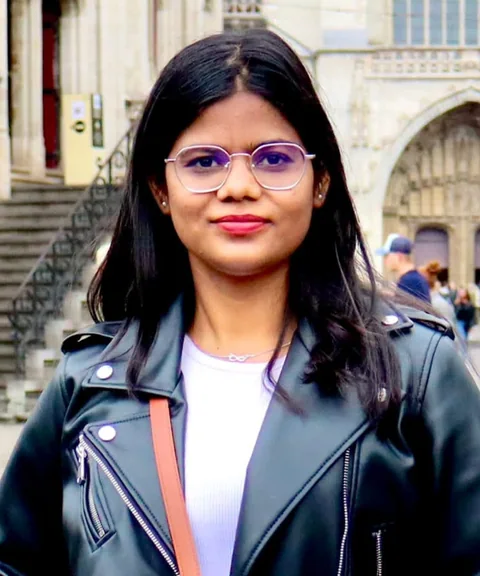
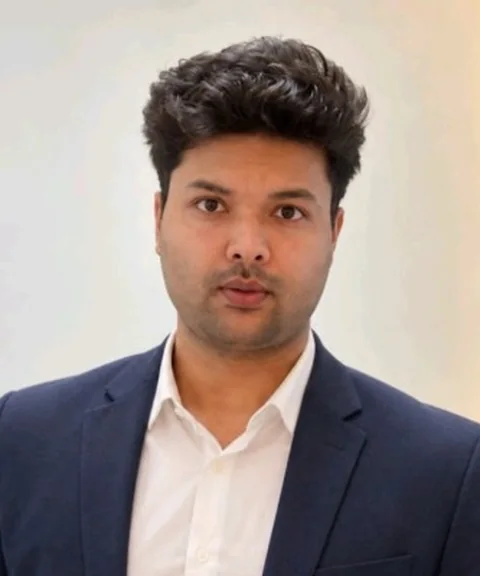
Quantum researcher at Ericsson Research working across quantum computing and quantum information. Her work includes distributed quantum computing and quantum communication, and she is also involved in quantum education and community building through QIndia.
Quantum computing utilizes the counterintuitive principles of quantum mechanics to process information in ways classical computers never could. While these systems promise breakthroughs in simulating complex chemistry, breaking classical encryption, and tackling massive computational challenges, building stable quantum hardware remains a profound engineering challenge. In this session, we will demystify quantum computing and break down core concepts like qubits, superposition, and entanglement into simple, intuitive ideas. We will explore how quantum computers work, what types of problems they can solve, and where the industry stands today. No prior background in quantum physics or advanced mathematics is assumed.
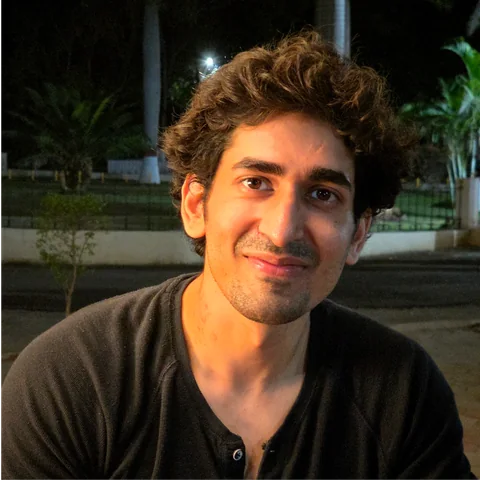
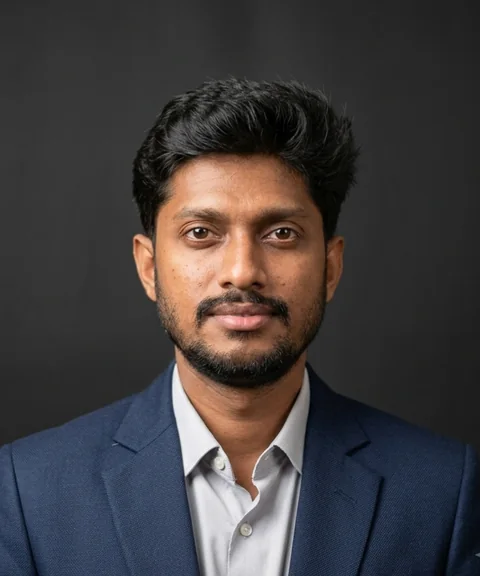
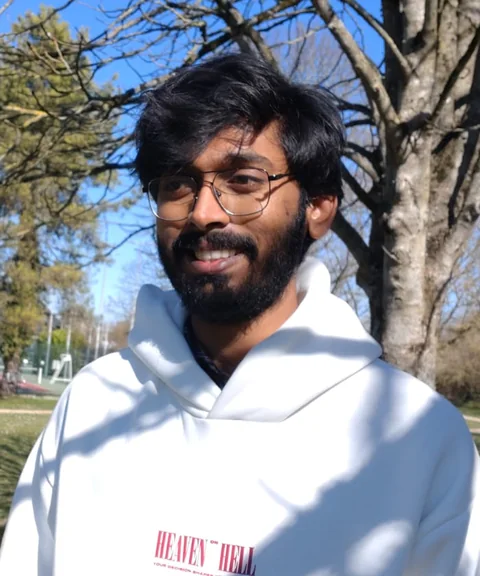
Quantum Research Engineer at Quantum AI Global, with hands-on work in quantum algorithms, quantum machine learning and Qiskit-based implementations. His recent work includes variational quantum classifiers, quantum convolutional neural networks and dynamic-circuit approaches.
Qiskit 101 introduces the building blocks of quantum programming through a practical, hands-on progression from the first qubit to complete circuits. The session begins with qubits, gates, measurements and circuit construction, then moves into state preparation, simulation and execution on quantum backends. Designed for beginners, it gradually introduces intermediate concepts through simple examples so participants can start building and running their own quantum programs with IBM Quantum and Qiskit.
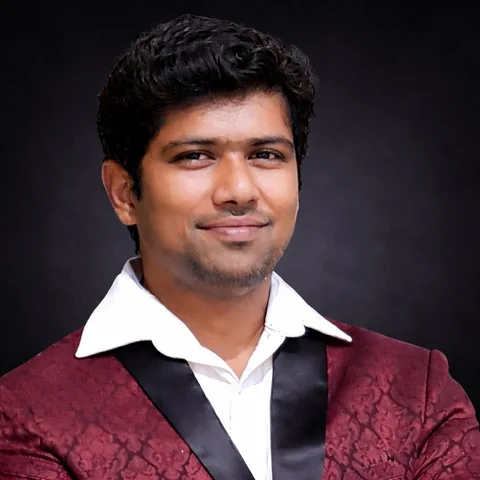
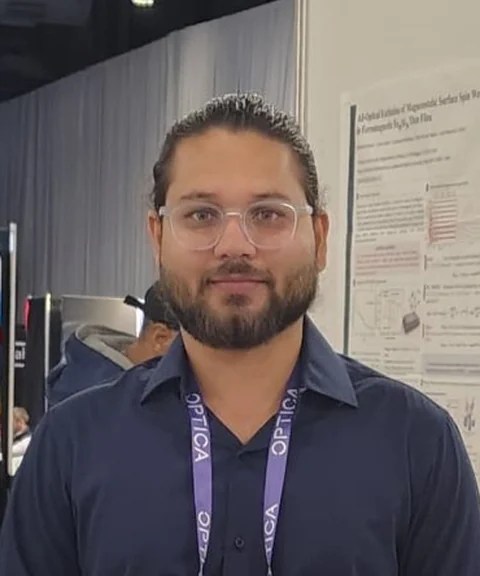
Founder and CEO of Anuthantra, an IBM Quantum Educator and Qiskit Advocate Mentor. He works at the intersection of quantum computing education, workforce training and practical Qiskit-based learning, and has extensive experience helping students and professionals enter the quantum field.
Quantum Machine Learning: Exploring the Intersection of Quantum Computing and AI. Quantum Machine Learning (QML) brings together the emerging capabilities of quantum computing with the powerful techniques of artificial intelligence and machine learning. This introductory session will provide students with an accessible overview of how quantum principles such as superposition, entanglement, and quantum circuits can be leveraged to develop new approaches to machine learning. The session will introduce the fundamental concepts of QML, explain how quantum and classical machine learning differ, and provide an overview of key approaches such as Variational Quantum Circuits and Quantum Neural Networks. Through simple examples and demonstrations using IBM Quantum and Qiskit, participants will gain a practical understanding of how quantum computing can be explored for AI and machine learning applications. The session is designed for beginners and will conclude with an overview of the learning pathways, tools, and opportunities available for students to begin their journey in Quantum Machine Learning.
Voices from India’s quantum industry
Four people working in India’s quantum industry share what the field looks like from the inside. Between them, the panel spans quantum startups working on hardware, software and quantum-safe security, as well as technology consulting. The discussion covers how each of them found their way into quantum, the problems Indian quantum companies are working on today, how the ecosystem is growing under the National Quantum Mission, and which skills students should start building now across physics, software and engineering. The session closes with an open Q&A with the panelists.
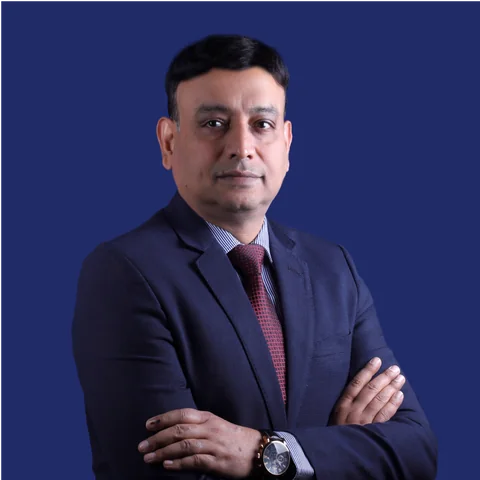
Technical Lead for Quantum-Centric HPC at Pasqal, where he works on integrating neutral-atom quantum processors with classical high-performance computing systems, from middleware and runtime integration to deployment at HPC centres. Earlier at Pasqal he worked on quantum libraries, cloud platform software and emulation. He trained as a physicist, with a master’s in Mathematical Physics from the University of Edinburgh, and worked in HPC and AI before moving into quantum computing.
Quantum computers depend on classical computing to prepare problems, execute hybrid algorithms, interpret results and more generally integrate with existing applications. How do they integrate with the state of the art large scale computational infrastructure, or high-performance computing (HPC)? This introductory session explains what HPC is, why quantum and classical resources are combined, and how they work together in practice. We will explore example applications, the software connecting CPUs, GPUs, and quantum processors, and the challenges of running hybrid workflows on shared infrastructure. Drawing on developments across the field and practical integration experience, we will conclude with open problems and opportunities for students to contribute.
Research Engineer (Quantum Computing) at LTM (formerly LTIMindtree), where since 2022 he has built quantum computing solutions for banking, finance, insurance and engineering on gate-based (IBM Qiskit), annealing (D-Wave) and analog neutral-atom (Pasqal) platforms, and received the LTIM Innovation Award in Q1 FY26. Before that he led quantum AI development at Qulabs Software India, working on quantum machine learning, simulation and optimisation products. His education includes a PhD in Quantum Computing from IIT Bhubaneswar, on quantum algorithms for many-body physics, and an MSc in Financial Engineering from WorldQuant University.
Quantum finance is an emerging interdisciplinary field that combines quantum computing, quantum information science, and financial modeling to address computationally intensive problems in finance. By leveraging phenomena such as superposition and entanglement, quantum algorithms offer new approaches for optimization, simulation, machine learning, and risk analysis. Areas of interest include portfolio optimization, derivative pricing, fraud detection, market simulation, and asset allocation. Although current quantum hardware remains limited, rapid advances by academia, startups, and financial institutions continue to drive research and experimentation. This presentation introduces the foundations of quantum finance, reviews its key application areas, and illustrates how quantum computing could reshape financial decision-making in the years ahead.
Quantum researchers at universities in the USA, UK, Singapore and France
Four researchers working in quantum at universities in the USA, UK, Singapore and France talk about how to move into research after a bachelor’s or master’s degree. The discussion covers what to focus on during your degree, how to find open master’s, PhD and research positions, how to approach a professor and what to put in that first email, how to find fully funded programmes and scholarships, and which technical and research skills are expected before you start. Where the 11 October panel looked at opportunities in India’s quantum industry, this one looks at the research path. The session closes with an open Q&A on applications, funding and choosing a research group.
Speaker profiles and abstracts will collapse into place as each one is confirmed.
The Fall Fest ends where the interesting part begins. Teams tackle quantum computing challenges and build solutions using Qiskit.
Register your team ↗from qiskit import QuantumCircuit
qc = QuantumCircuit(2, 2)
qc.h(0)
qc.cx(0, 1)
qc.measure([0, 1], [0, 1])
# your turnEverything you need to compete: key dates, tracks, team rules and what to submit. Judging criteria arrive with the prompts on 12 October.
No eligibility criteria. Students, researchers, professionals and curious beginners are all welcome.
Participate on your own or in a team of at most three members.
No platform to sign up for. Register through a Google Form, build anywhere, and submit a single GitHub link.
Register your team ↗Released together with the hackathon prompts on 12 October.
For participants getting started with quantum computing and Qiskit.
For participants comfortable with quantum algorithms who want a deeper challenge.
Upload everything to a single public GitHub repository, then submit only the repository link through the submission form by 17 October, 10:00 IST.
Registration opens on 5 October through a Google Form. The link will appear here as soon as it goes live.
Registration is open. Fill in the Google Form below to save your place.
Registration for the 3rd Qiskit Fall Fest is now closed. Thank you to everyone who signed up.
Registration opens soon ↘